
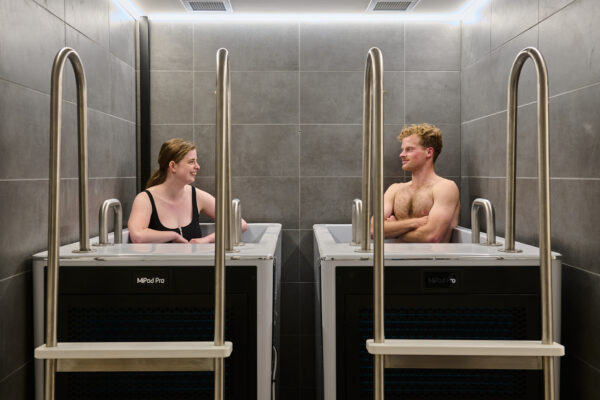
A practical guide for the Recovery Space at Narrandjeri Stadium
Cold plunges have a reputation for being intense, complicated, and reserved for elite athletes. The reality is simpler. When it is used well, cold immersion is just one tool in a smart recovery routine, and it pairs perfectly with the Narrandjeri Recovery Space, which was developed in partnership with NARC.
Inside the Recovery Space you will find two cold plunge pools, two infrared saunas, and dry recovery options like massage chairs, compression boots, and massage guns. Sessions are 45 minutes and bookings are required, which means you can take your time and recover properly instead of rushing.
This post is here to do what the best recovery advice always does. It keeps things clear, realistic, and easy to follow.
First, what does a cold plunge actually help with?
It can reduce post workout soreness, especially in the first day
One of the most consistent reasons people use cold water immersion is to feel less sore after hard training. Evidence summaries and meta analyses report that cold water immersion immediately after high intensity or resistance exercise can improve perceived recovery and reduce delayed onset muscle soreness in the following 24 hours.
It is not magic, and it is not guaranteed, but if you train hard and want to feel better the next day, it is one of the more supported use cases.
It can make you feel more “switched on” afterwards
A lot of people walk out of a cold plunge feeling clearer and more energised. The evidence here is more nuanced than social media makes it sound. A large systematic review of cold water immersion in healthy adults found results can be time dependent, with some outcomes showing changes later rather than immediately.
That lines up with what many people experience in practice. The plunge feels hard in the moment, then the “lighter” feeling arrives afterwards.
It can be part of a hot cold contrast routine
Narrandjeri’s Recovery Space is built for hydrothermal recovery, meaning you can alternate between infrared heat and cold immersion. Research comparing recovery methods suggests contrast water therapy and cold based approaches can be helpful for some recovery markers, though results depend on the protocol and the outcome being measured.
The key takeaway is simple. Use contrast because it helps you feel and move better, not because you think it will instantly “flush” everything out.
How long should you stay in?
This is where people overthink it. The best cold plunge is the one you can repeat safely.
Start shorter than you think
Clinical evidence summaries note that short immersion times, often under 10 to 15 minutes, at water temperatures below 15°C have the most consistent recovery benefits in the studies they reviewed.
That does not mean you should aim for the maximum time. It means there is no prize for suffering longer.
A simple timing guide that suits most people
Here is a straightforward approach you can use inside a 45 minute booked session.
If you are new to cold plunging
Aim for 30 to 60 seconds, then get out.
Focus on slow breathing and staying calm, not on staying longer.
If you have done it a few times
Aim for 1 to 3 minutes at a steady pace, then get out and warm up.
If you are experienced and you tolerate cold well
You can build toward longer exposures, but the evidence does not suggest you need extreme durations for recovery benefits.
If your goal is muscle soreness and recovery, the studies that underpin common recommendations often sit in the “minutes not marathons” range.
What you should feel during the plunge
Cold water immersion triggers a strong stress response, especially in the first moments, and that is normal.
What is not normal is chest pain, faintness, or feeling like you cannot catch your breath. If that happens, get out and do not treat it like something to push through.
When should you skip it?
Cold plunges are not for everyone, and they are not for every day.
Skip it if you have heart or blood pressure concerns
Harvard Health cautions that cold plunges can be risky for people with underlying cardiovascular disease, particularly those with heart rhythm issues, and the evidence for broad health claims is not as strong as the hype suggests.
Immersion in water also changes circulation and cardiovascular load, which is another reason medical clearance matters if you have relevant health conditions.
If you have a history of heart disease, arrhythmias, fainting, or unstable blood pressure, it is best to talk with a clinician before attempting cold immersion.
Skip it if you are pregnant, unwell, or have cold sensitive conditions
The safest call is to skip cold immersion if you are pregnant or currently unwell, and to avoid it if you have conditions where cold exposure can trigger significant symptoms, such as Raynaud’s or cold urticaria.
When in doubt, choose a gentler recovery option like the infrared sauna or dry recovery tools and speak with a health professional.
Skip it if you have been drinking alcohol
Cold immersion and alcohol do not mix well because of the way cold exposure stresses the body’s cardiovascular and temperature regulation systems.
Skip it if your body is telling you “not today”
Recovery is meant to support you, not scare you. If you feel unusually anxious about it, if you are already very cold, or if you are run down, it is fine to leave the plunge for another day.
How to use the Narrandjeri Recovery Space for cold plunge, without overcomplicating it
Because sessions are 45 minutes and bookings are required, you can build a calm routine that fits your body and your goals.
Many people like to combine the infrared sauna and the cold plunge pools for contrast style recovery, then finish with a dry recovery option like compression boots or a massage chair.
Here is a simple flow that works well for many members.
- Start with 10 to 15 minutes in the infrared sauna to settle in and warm up.
- Do a short cold plunge, starting at 30 to 60 seconds if you are new.
- Warm up again, then repeat once if it feels good.
- Finish with a dry recovery tool like compression boots or a massage chair if you want that “fully reset” feeling.
You do not need to do everything every time. The goal is consistency and leaving the space feeling better than when you arrived.
Access and quick reminders
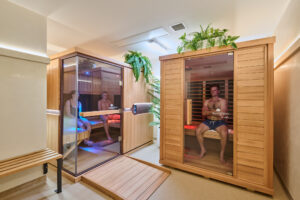
Narrandjeri’s Recovery Space includes two cold plunge pools and two infrared saunas, with towels mandatory in the sauna areas.
All sessions are 45 minutes and require booking, and access is available through NARC Zone 5 membership or casual visits.
The takeaway
Cold plunge works best when you treat it like a dose, not a dare. Short, repeatable exposures can support recovery and perceived soreness for many people, especially after hard training.
The smartest cold plunge routine is the one that fits your body, your health history, and your week. If you have any cardiovascular concerns, get medical advice first, and choose the other recovery tools if cold is not right for you.